Candela Capitán
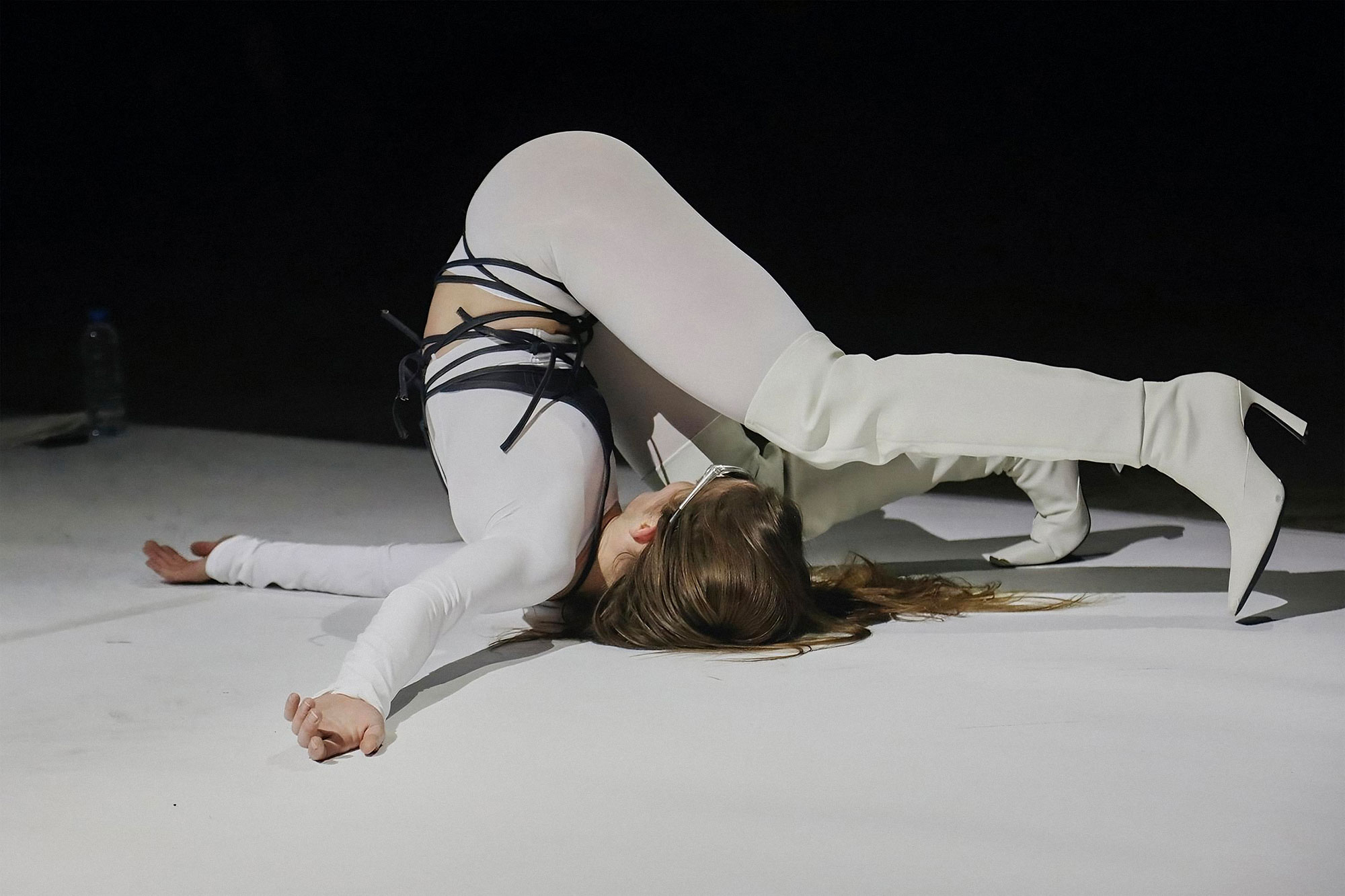
Candela Capitán grew up at Andalusia’s Atlantic edge with ballet toe shoes in the dial-up-modem era.
Born in Seville in 1996, she first trained in classical technique at the Cádiz Conservatory, then carried that discipline to Barcelona’s Institut del Teatre. Six academic years packed with pliés — foundational knee-bending drills that build strength and alignment — anchored her practice while the city’s warehouse raves fed her appetite for underground techno.
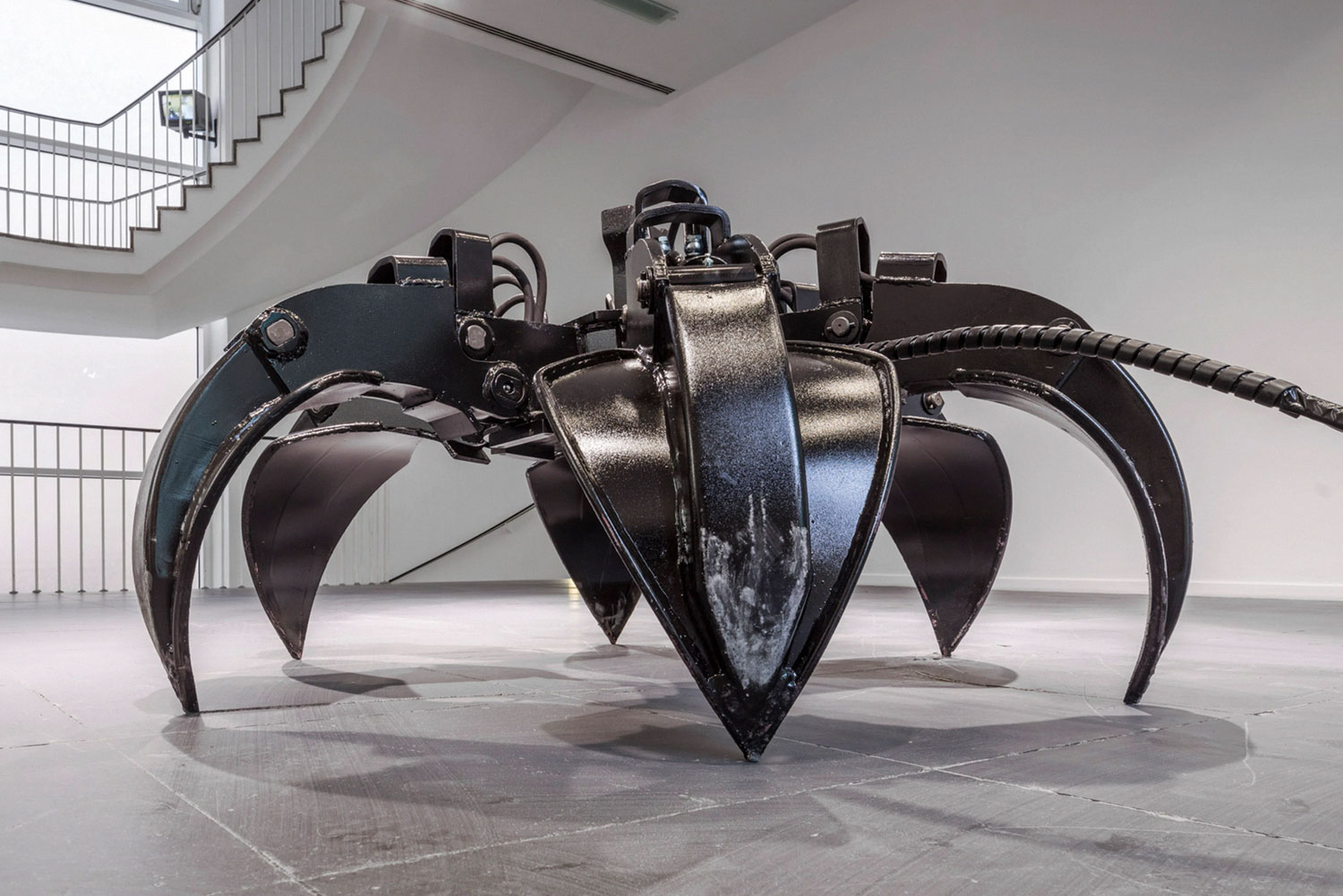
Capitán’s projects ask how bodies switch social links on and off when screens, cables and algorithms sit between us. She sets performers beside smartphones, cowbells, steel frames or industrial winches, treating each object as an extra limb in the choreography. Actions repeat until sweat or latency shows the cost of constant connection; pauses land and expose a different rhythm.
Every loop becomes a scan: of exhaustion, attention, submission, refusal. Performers repeat until the frame cracks and something unfiltered goes through. Her scores feel engineered but never mechanical; bodies glitch, breath catches, and what begins as control turns into a kind of witnessing.
Technology enters as partner, mirror and critic. Short clips incubate on Instagram and TikTok months before premieres, letting comment threads steer timing or gesture. The finished piece releases in a museum hall, on a rooftop, or a livestream feed. Every venue works if it tests the same question: what happens to touch, attention and identity when networks sound louder than heartbeats and reminds us that we repeat ourselves constantly — in scrolls, in speech, in gestures. And Candela Capitán lets that pattern play out until it says more than words can.