Johan Rosenmunthe
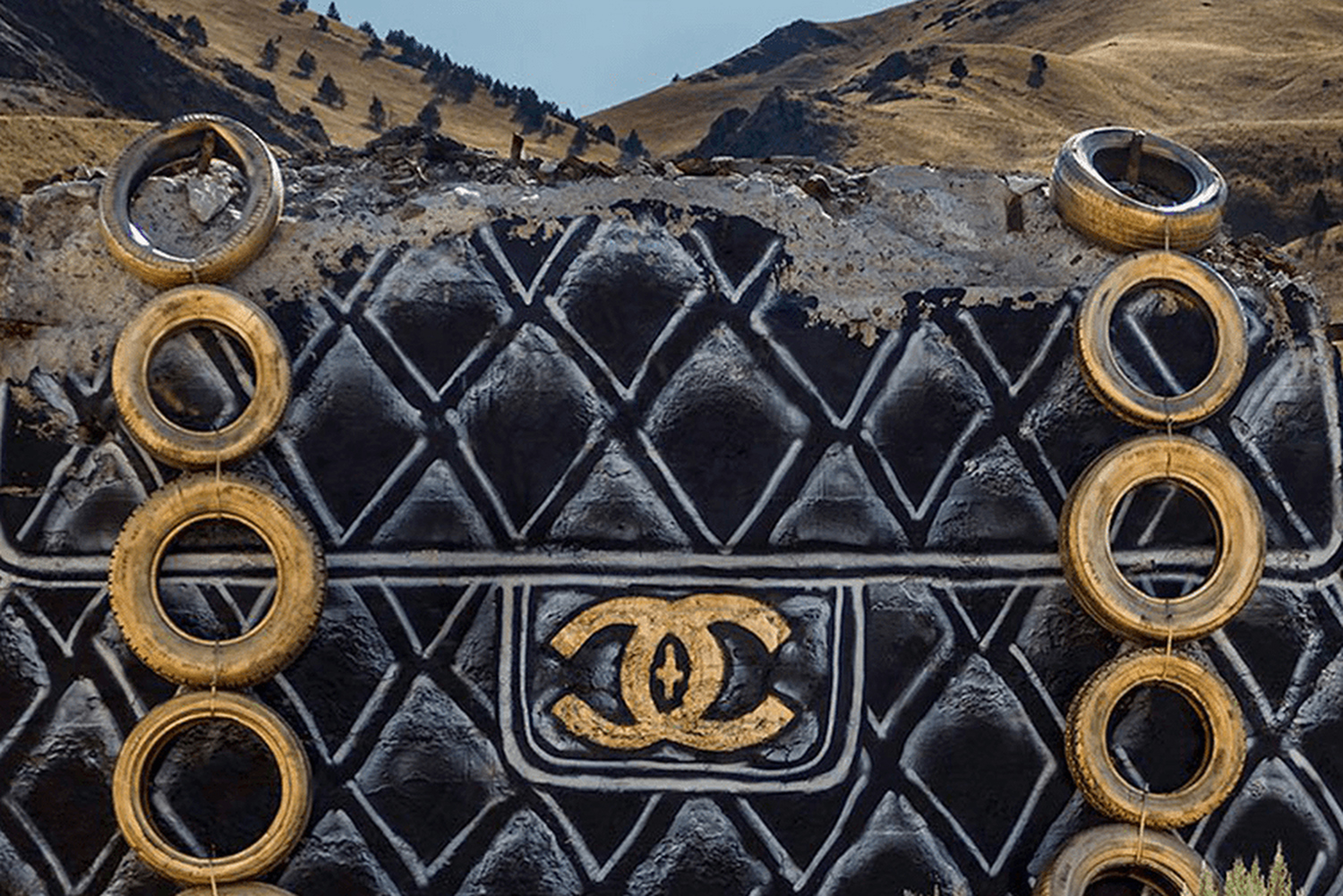
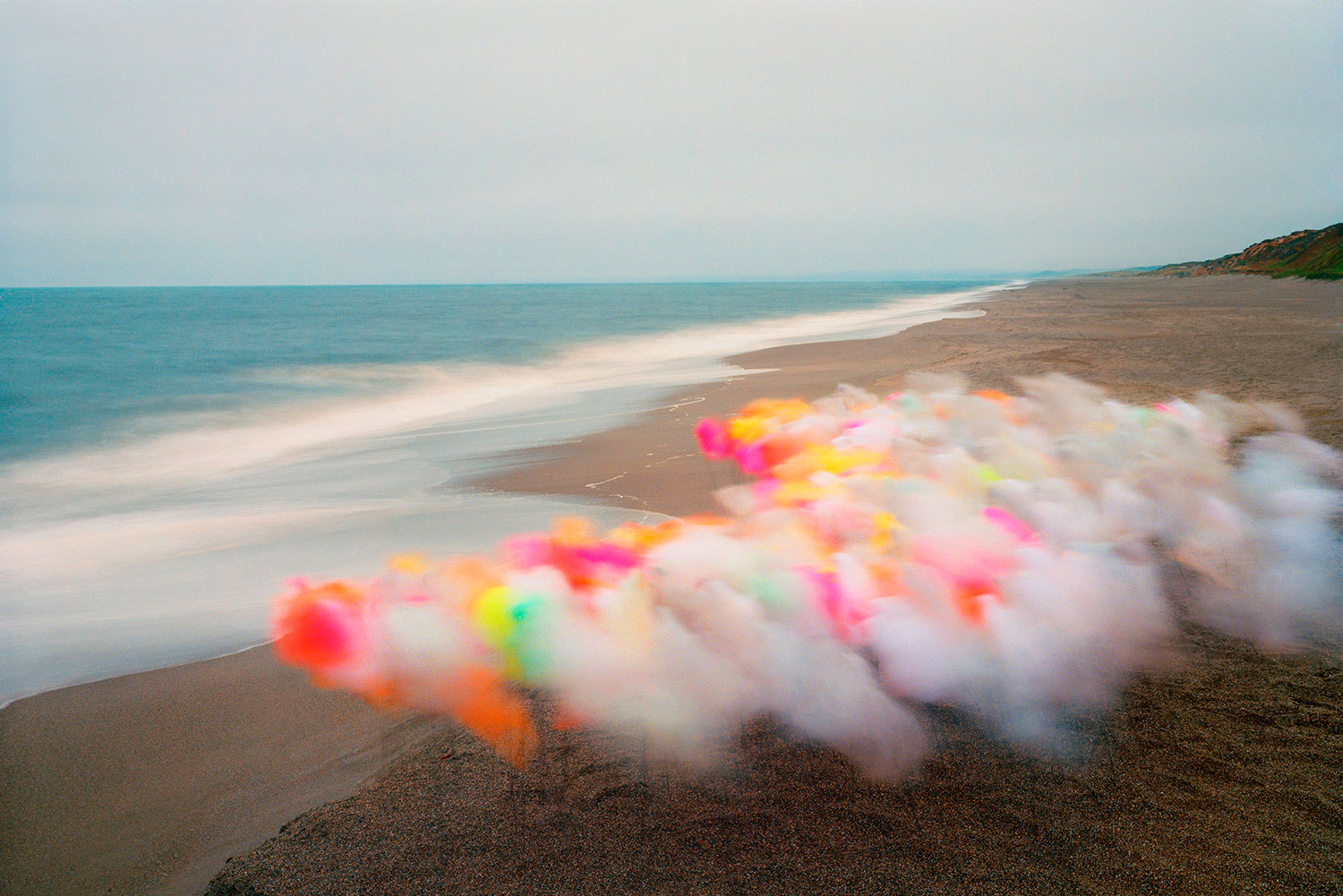
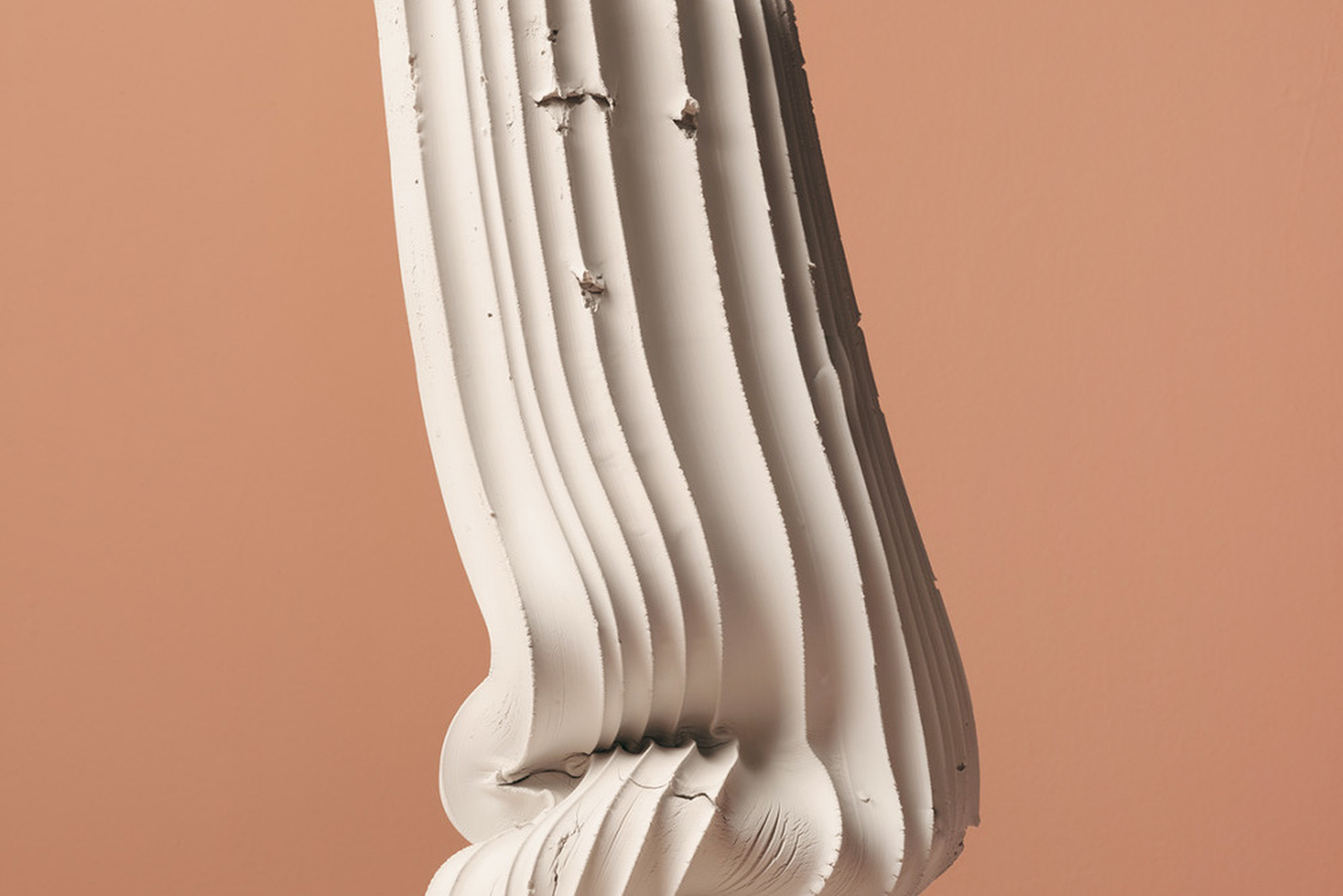
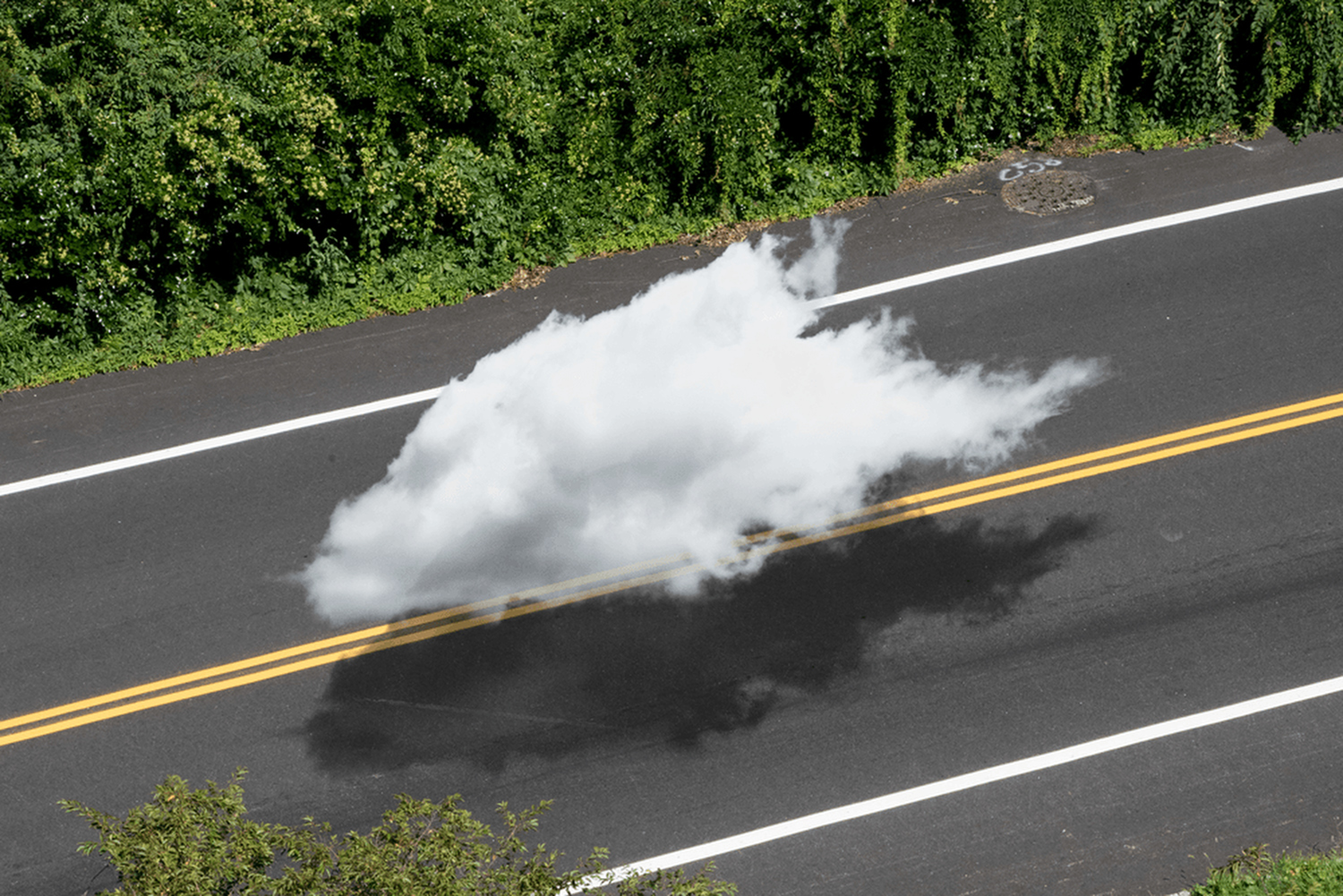
Danish artist Johan Rosenmunthe approaches time, potential energy, and archaeology through installations, photography, and material research, moving between physical traces and imagined futures.
Based in Copenhagen, Rosenmunthe’s practice brings together artistic and academic research. Rosenmunthe studied at Fatamorgana, Denmark’s school of art photography, and later completed a BA in Human Science at Roskilde University.
Since childhood, Rosenmunthe has felt a strong attachment to stones and everyday objects, treating them not as neutral matter but as things charged with memory, energy, and almost sacred value. This early connection still informs the practice, where ordinary materials appear as active presences, capable of carrying traces, meanings, and unseen forces.
Johan Rosenmunthe focuses on how everyday objects and materials respond to their surroundings. The practice asks whether objects can store information, and whether sound waves or changes in temperature can leave traces within them. These questions point to the hidden activity of seemingly inanimate matter.
Furthermore, Rosenmunthe uses several media, including sculptural installations and photography. Through these formats, the practice explores how materials change, how they are perceived, and how their meaning can shift over time.
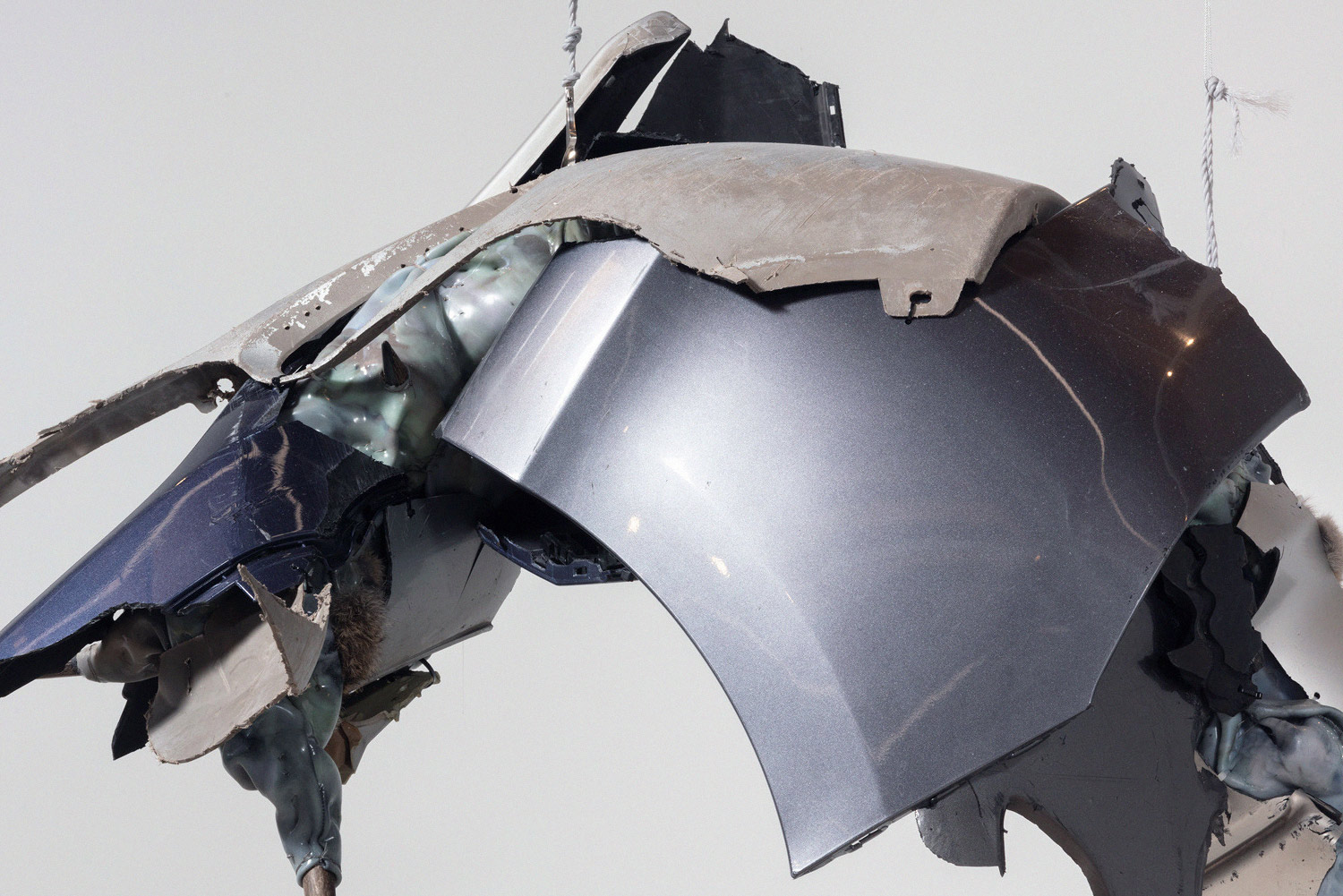
(left above) — Kunsten i Centret (2013), held inside Ballerup Shoppingcenter, prominently featured Johan Rosenmunthe's distinctive installation, TS32339. This piece, masterfully crafted from a Citroën Xantia Stationcar, rope, and other eclectic materials, showcases Rosenmunthe's innovative approach. Moreover, he meticulously sourced all the components directly from the shopping center and its adjoining parking lot. Curated by Markus von Platen.
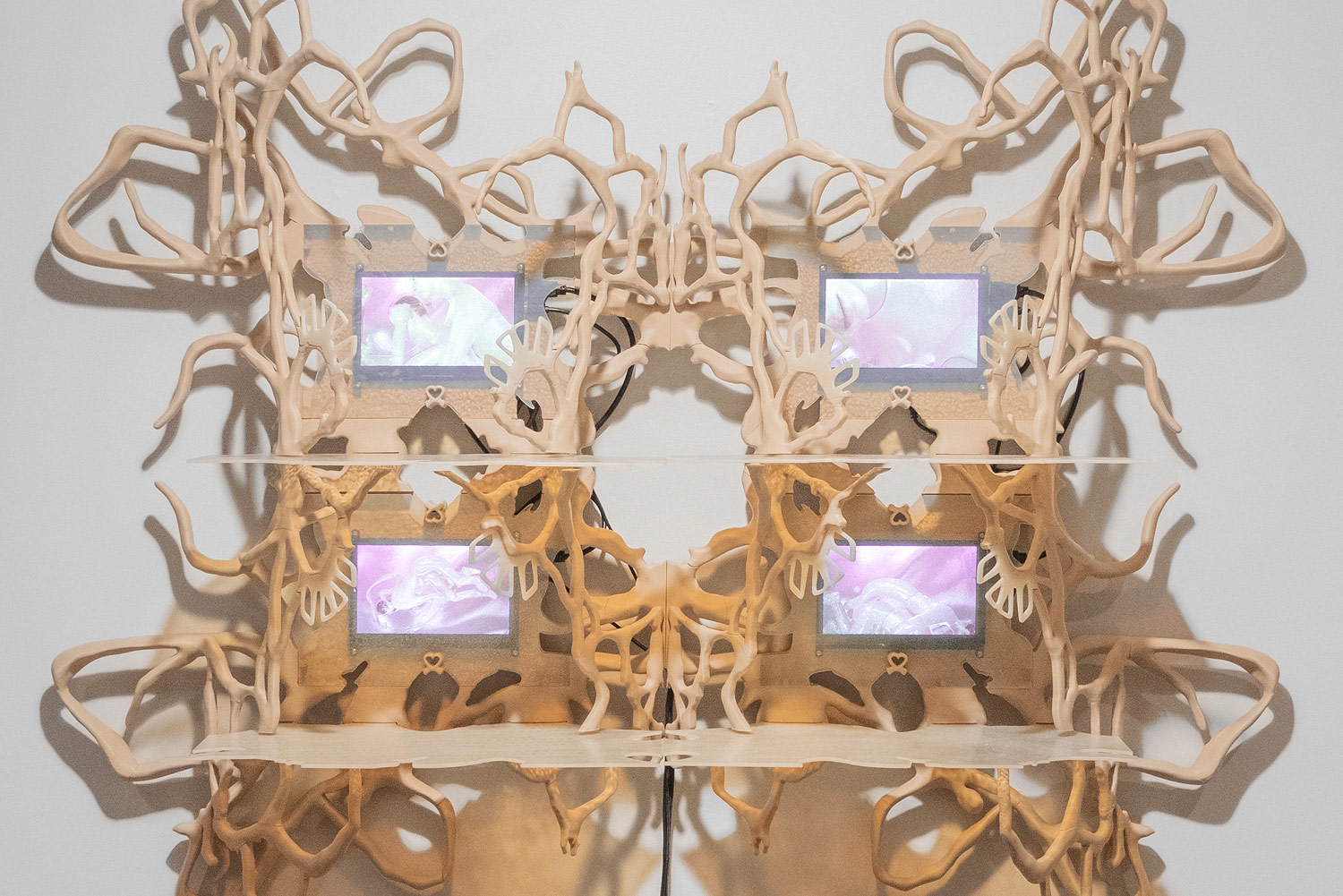
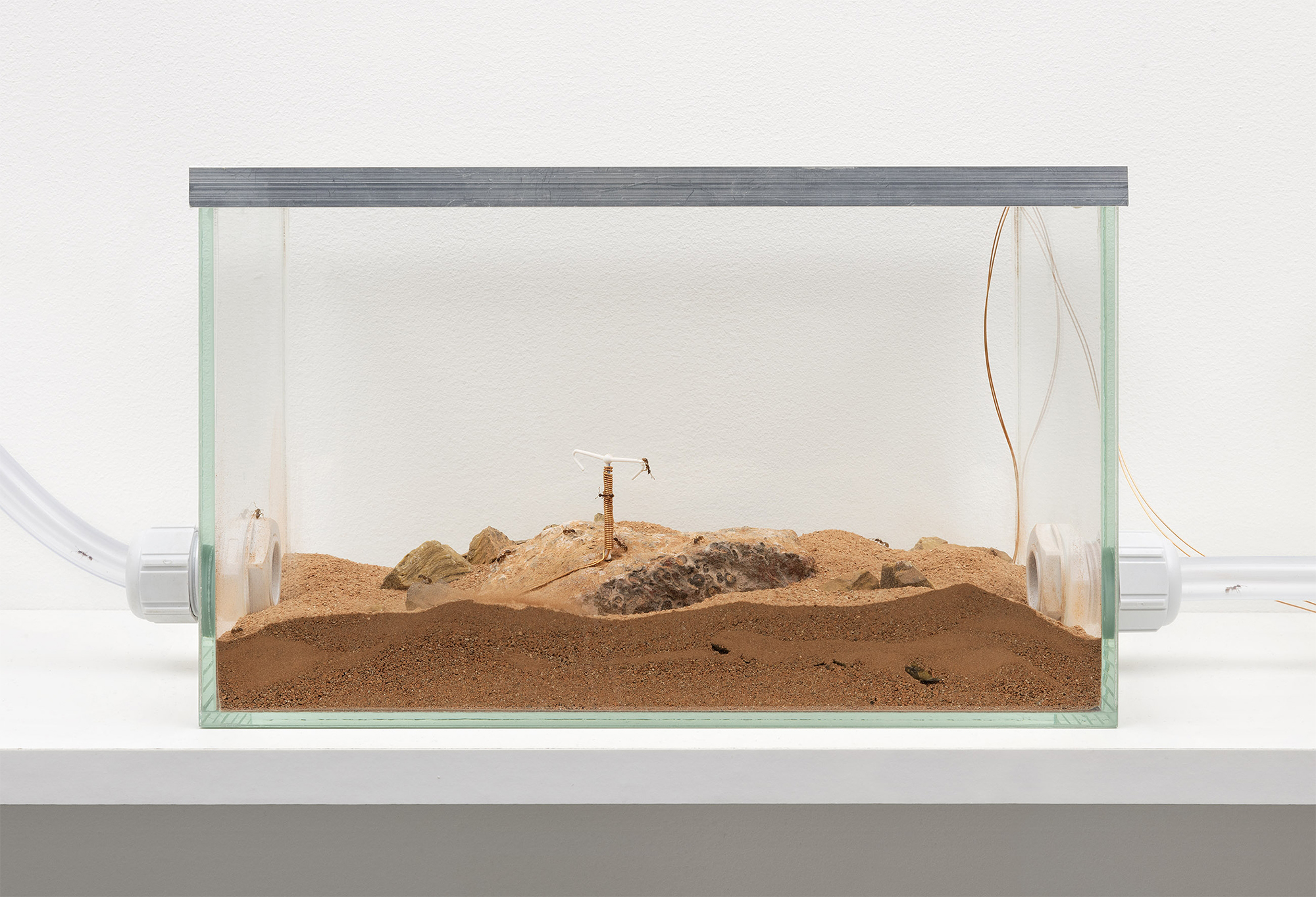
(all below) — Hidden in Plain Sight (2018), showcased at Overgaden, Institut for Samtidskunst in Copenhagen, artfully blends elements of science fiction with the allure of alchemy. As a result, the exhibition encourages viewers to reconsider the ordinary. Furthermore, it offers a deep dive into the cyclical nature of everyday objects, highlighting their profound connections to the human experience.