Willem de Haan
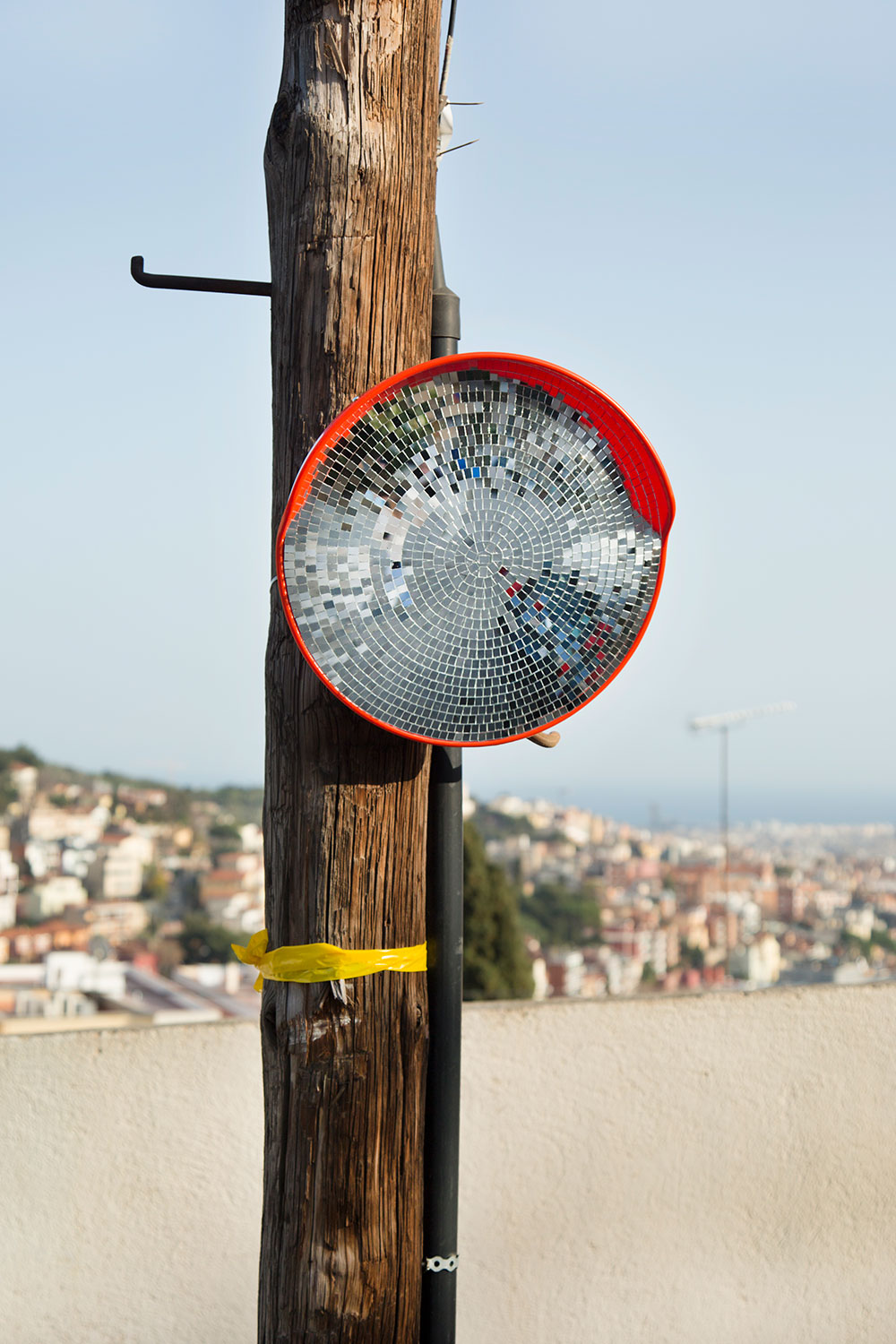
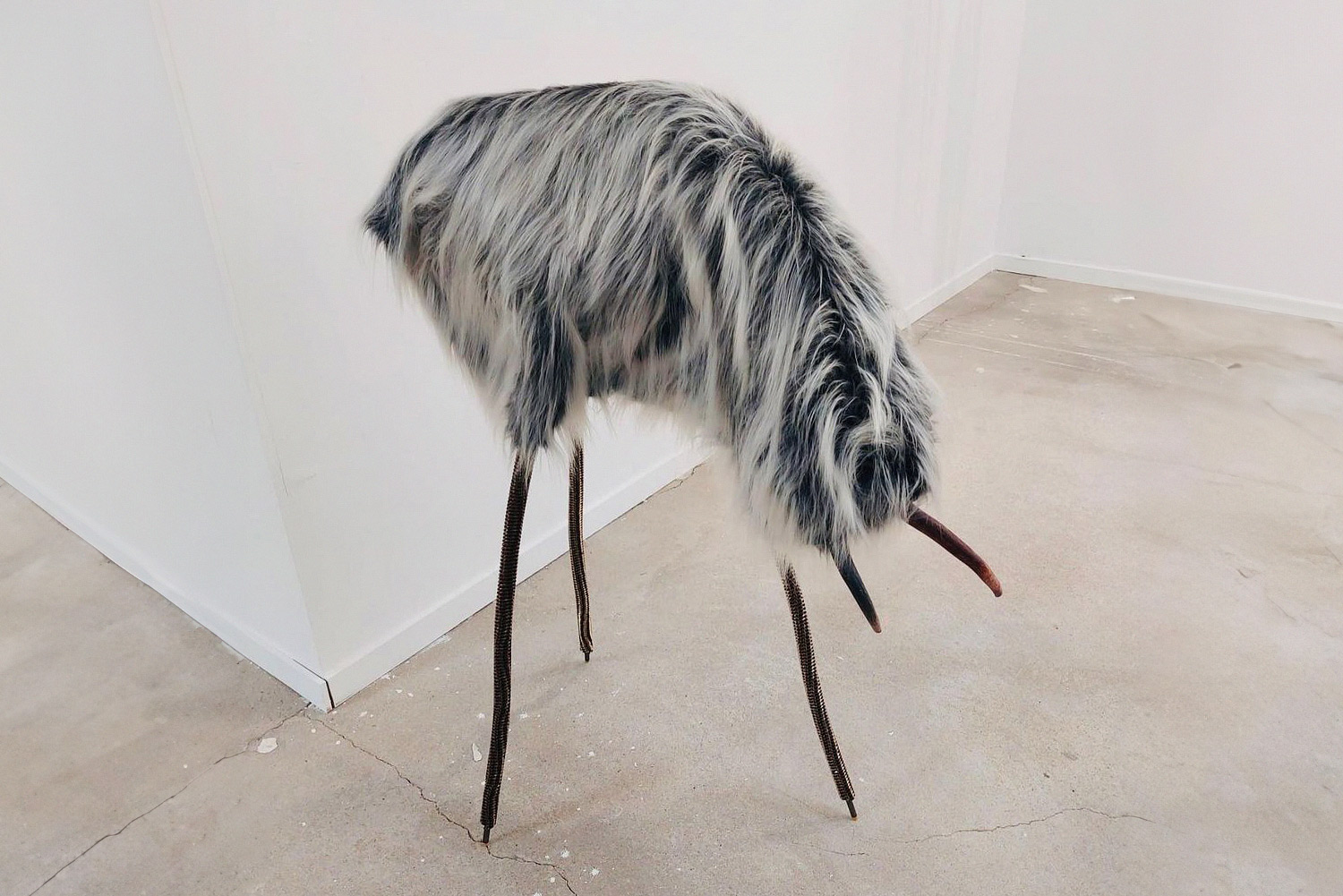
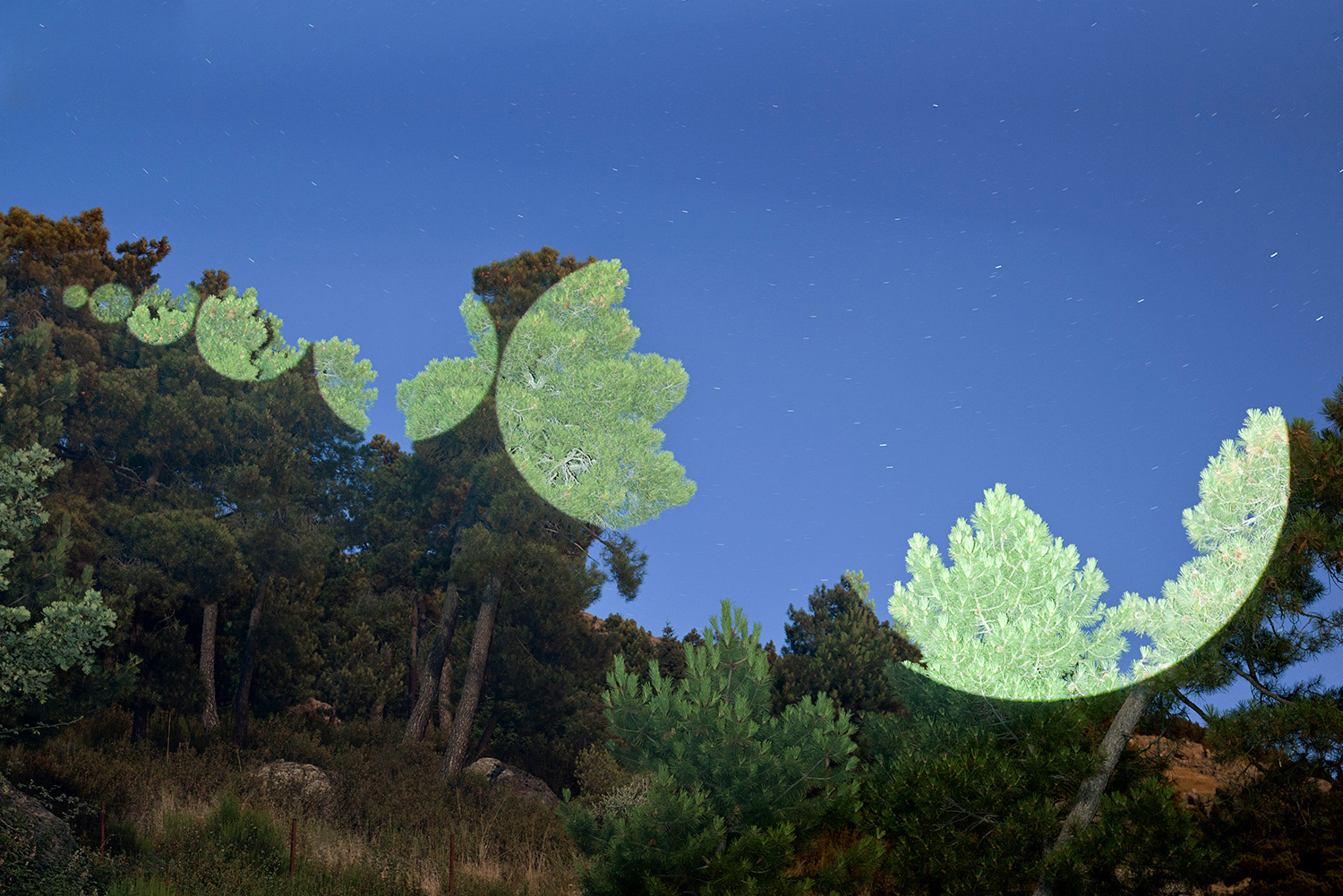
Interventions by Willem de Haan offer unexpected detours from the high-speed blur of daily life, lifting eyes from the gravity of screens and schedules.
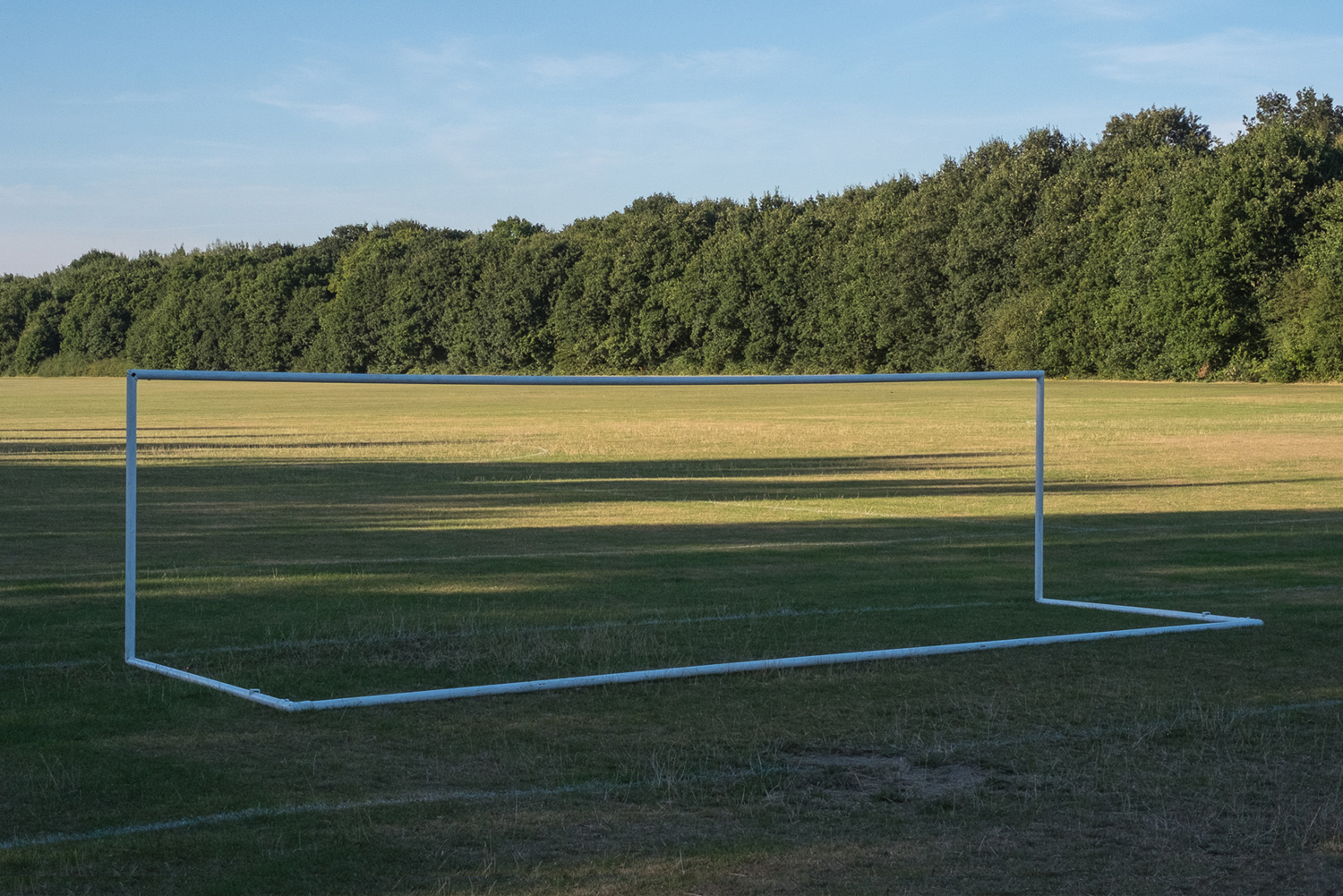
To stage these pauses, the Dutch artist builds full-scale props — walls, doors, signs — that appear in parks, sidewalks, or farmland without any warning. They pass the quick-glance test; then something feels off, like a film set left behind after the crew packed up.
De Haan’s works operate as field tests in public semiotics. Each placement isolates one familiar sign and reroutes its meaning through context. First, you see the work, then notice the surroundings reading it back. Behaving like living labels, his sculptures annotate space in real time, making infrastructure visible as ideology rather than background. The brilliance lies in restraint: the object does just enough, then relies on social choreography to finish the sentence.
He tunes our gaze to what the city edits out. For example, in Berlin, he balanced bin bags into narrow sculptures, a fragile monument to what crowds the curb after dark. In Barcelona, a faux-brick block of six panic doors promised escape, yet every handle stayed locked in one deferred gesture. On a Dutch highway, two billboards faced so close their messages vanished, a vast silence in passing traffic.
Motor Home drifts over the Watersnoodmuseum basin — just a pitched roof with an outboard motor — bridging past floods and tomorrow’s alerts. Inland, a bright metro entrance rises from a cornfield near the Eekteweg, inviting travellers to a train that never arrives. Elsewhere, in Vienna, a horse-drawn carriage loops a half-built district, asking riders which legends suit streets not yet named. Collectively, these errant props loosen geography; once the set pivots, the plot is ours to finish. Willem de Haan leaves reality just open enough, and that slim gap is where the next story sneaks in.